Fiddler on the Roof - June 25 - June 30, 2026

City of Holladay

 DRAMTURG'S NOTES 

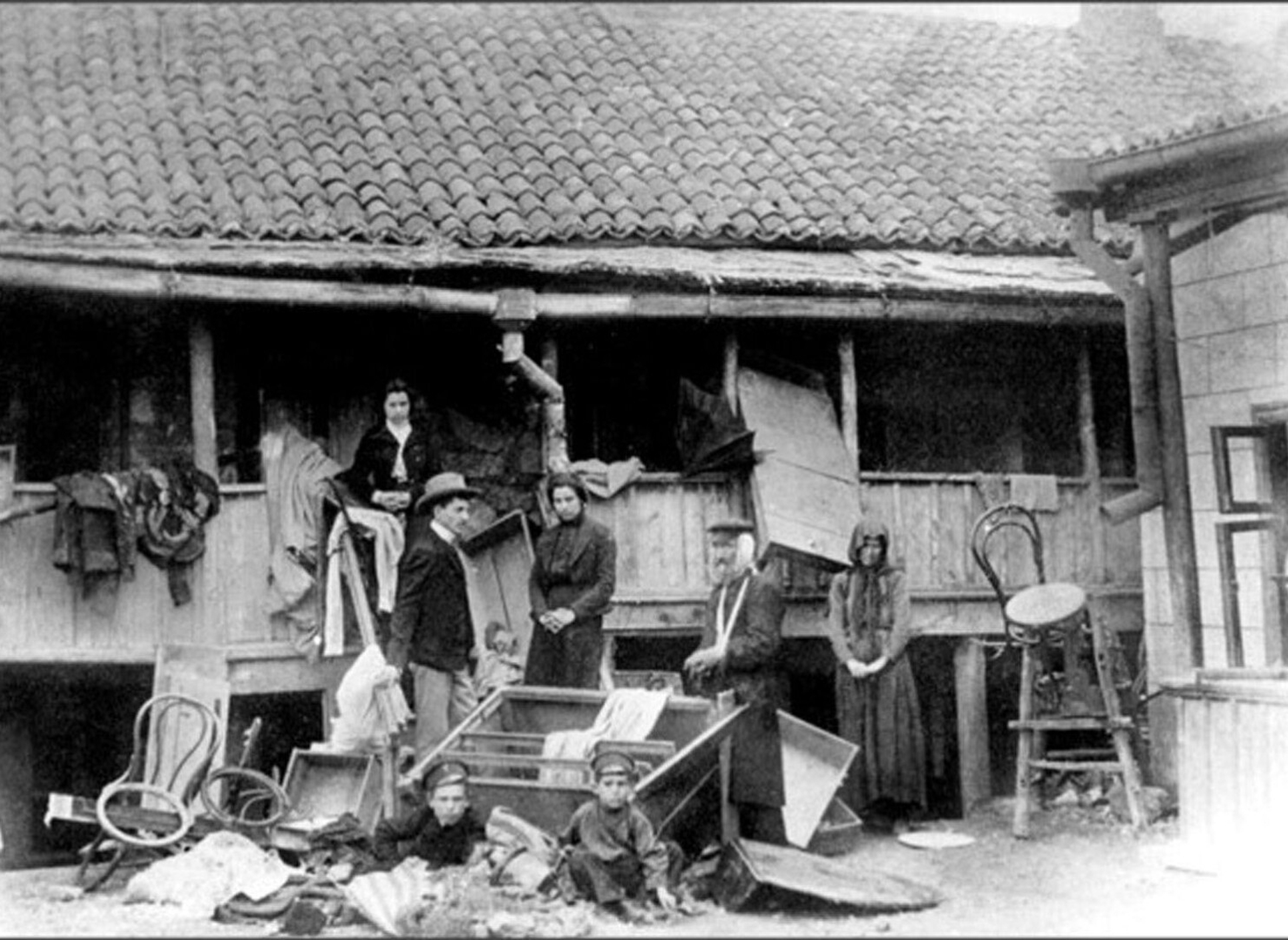
Sixty years after it was first produced, “Fiddler” still speaks to audiences of family, hard work, faith, suffering, and tradition. It is a frequent reminder to Americans of how many of our forebearers fled to our shores, and how much richer our country has been made by the blending of traditions.


Some background on the two major ceremonies in the play:


  • The Jewish Sabbath takes place from sunset Friday until sunset Saturday. Just before sunset, the lady of the family will light candles representing the light we bring to the world through studying Torah and observing the Law, then the meal begins. It is a time to focus on family and religion, and there is a long list of things you are forbidden to do, including cooking, washing, lighting or extinguishing flame, writing, and most forms of work. Chores are scheduled so they will not need to be done during this time. Cows are milked just before sunset Friday and just after sunset on Saturday.


  • Weddings are performed under a canopy that creates a holy space. The couple and the Rabbi stand beneath this. During the ceremony the bride circles the groom to symbolize the creation of a new private home together, and at the end of the ceremony the groom smashes a glass with his foot to symbolize the destruction of Jerusalem. In Ukrainian Russia there was a Master of Ceremonies who acted almost as a jester. At the party afterwards he would announce gifts as they were presented to the father of the bride – usually making jokes about the givers. Women and men sat and danced apart.

Page 11 of 15